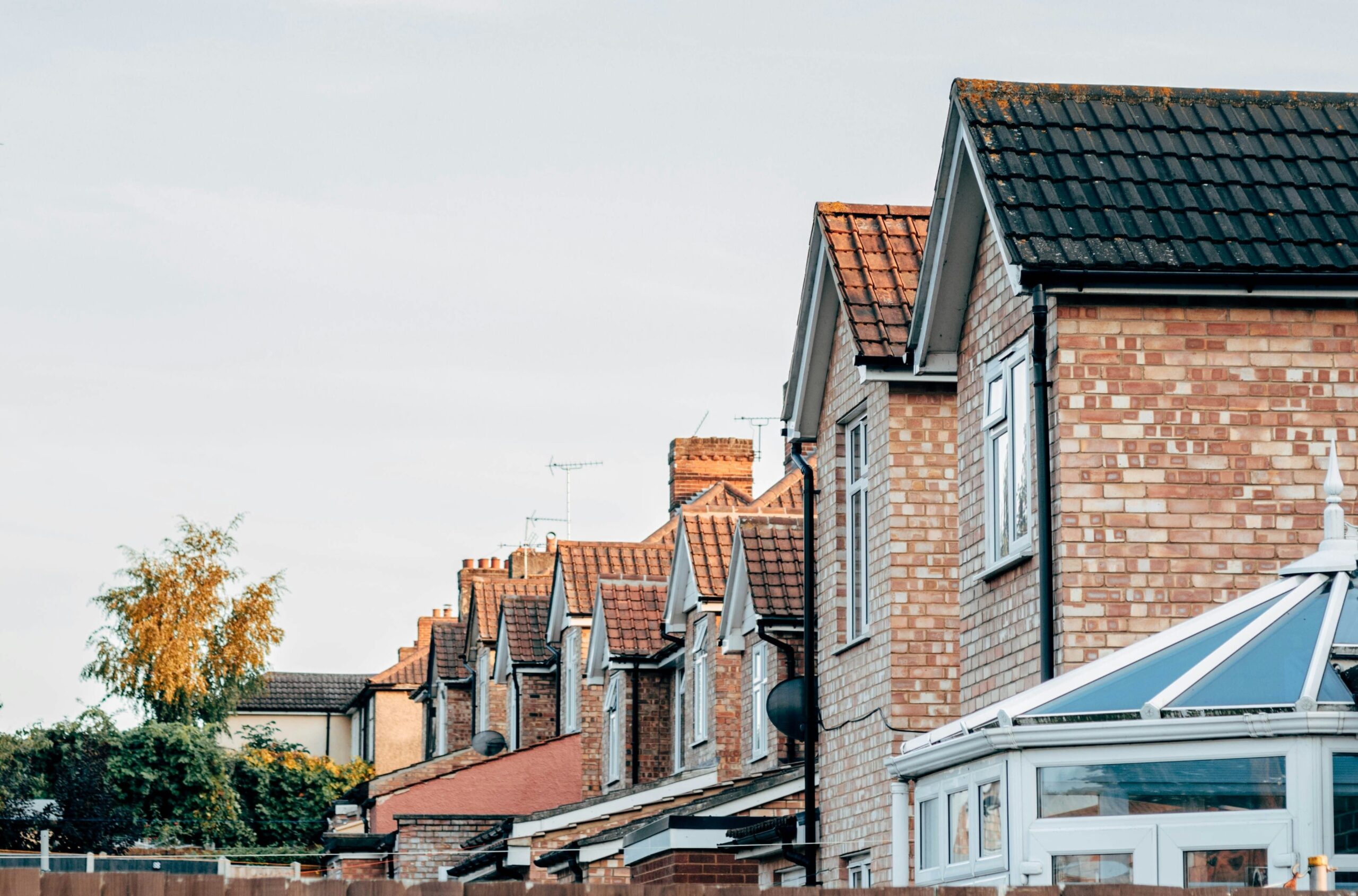

Here’s a headline that might surprise you—since 2007, more than 1.4 million homes in England have been granted planning permission but were never built. With the housing crisis deepening, this raises a big question: if permission is in place, why aren’t these homes becoming reality?
According to a new report from the Institute for Public Policy Research (IPPR), the real issue isn’t planning red tape—it’s developers sitting on land to increase its value, holding back construction to keep house prices high, and a lack of coordination in delivering essential infrastructure. Without addressing these deeper problems, the government’s promise to build 1.5 million homes by the end of this Parliament looks increasingly shaky.
So far, the government’s response has been to loosen planning rules, arguing that this will speed up delivery. But the IPPR warns this is the wrong approach. Instead of dismantling planning regulations, it says the system needs to be strengthened—ensuring local authorities have the resources to process applications efficiently, aligning housing with infrastructure projects, and supporting sustainable development.
One of the report’s key recommendations is introducing strict legal deadlines for developers to start building once they secure planning permission—otherwise, they could face penalties. It also calls for a new Cabinet Office team to oversee land use with a national spatial strategy, ensuring better coordination in housing delivery.
“The government doesn’t need to rip up the planning system to build 1.5 million homes,” explains Maya Singer Hobbs, senior research fellow at IPPR. “The biggest roadblocks aren’t caused by planning at all.
Issues like water shortages, developers intentionally delaying construction to sustain high profits, and a lack of coordinated planning for major infrastructure projects are key obstacles. The current market-driven approach simply isn’t delivering the number of homes the country urgently needs.
She adds that years of deregulation and budget cuts to agencies like the Environment Agency have left planning as one of the last remaining safeguards against poor-quality developments, environmental damage, and unsustainable resource use. “Instead of weakening planning, we should be giving local and national planners the support they need to ensure housing is well-designed, well-placed, and built in a way that benefits both people and the environment.”
With demand for housing at an all-time high, this report makes one thing clear—fixing the system isn’t about cutting red tape, but about making sure developments actually get built.
Thinking of Starting a New Build? Plan Ahead for a Smoother Process
If you’re considering a new build project, whether it’s a self-build or a development scheme, the challenges outlined in this report highlight why careful planning is key. Understanding land availability, securing planning permission, and aligning your project with infrastructure needs can make all the difference in ensuring your plans don’t stall.
Before diving into your project, it’s important to grasp the essential steps. Our guide on What to Consider When Starting Your New Build Project covers everything, from choosing the right site to managing budgets and design planning.
Seeking the right advice early on can help avoid delays and complications. Our Pre-Planning Advice Service provides expert guidance to navigate any planning challenges, ensuring your project stays on course from the very beginning.
At Homz, we specialise in making the planning process as smooth and stress-free as possible. Whether you need guidance on site feasibility, planning applications, or development strategy, our expert team is here to help. Get in touch with us today via our Contact Page to discuss your project and take the first step towards bringing your vision to life.

References:
1.) https://www.theplanner.co.uk/2025/02/20/think-tank-reveals-14-million-homes-unbuilt-2007