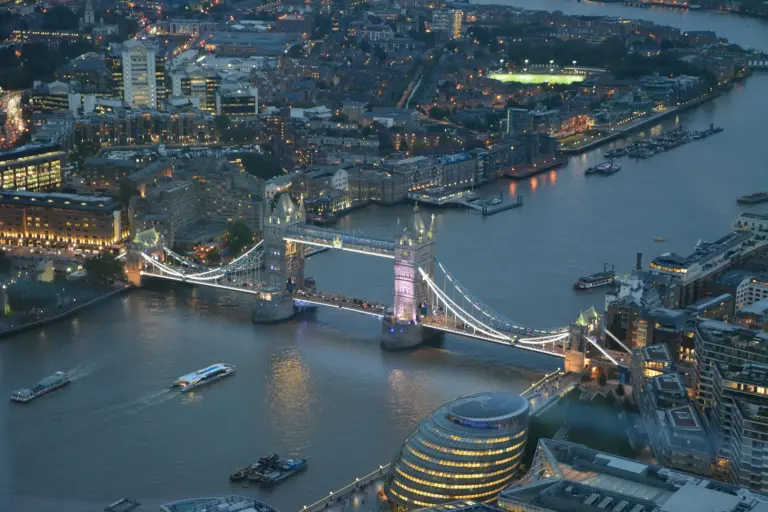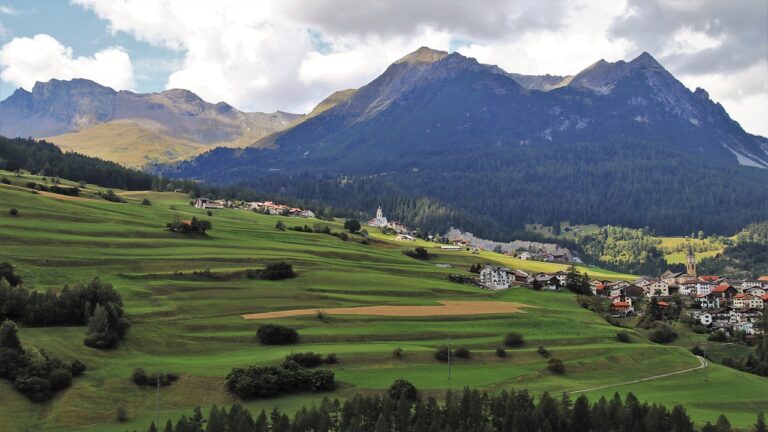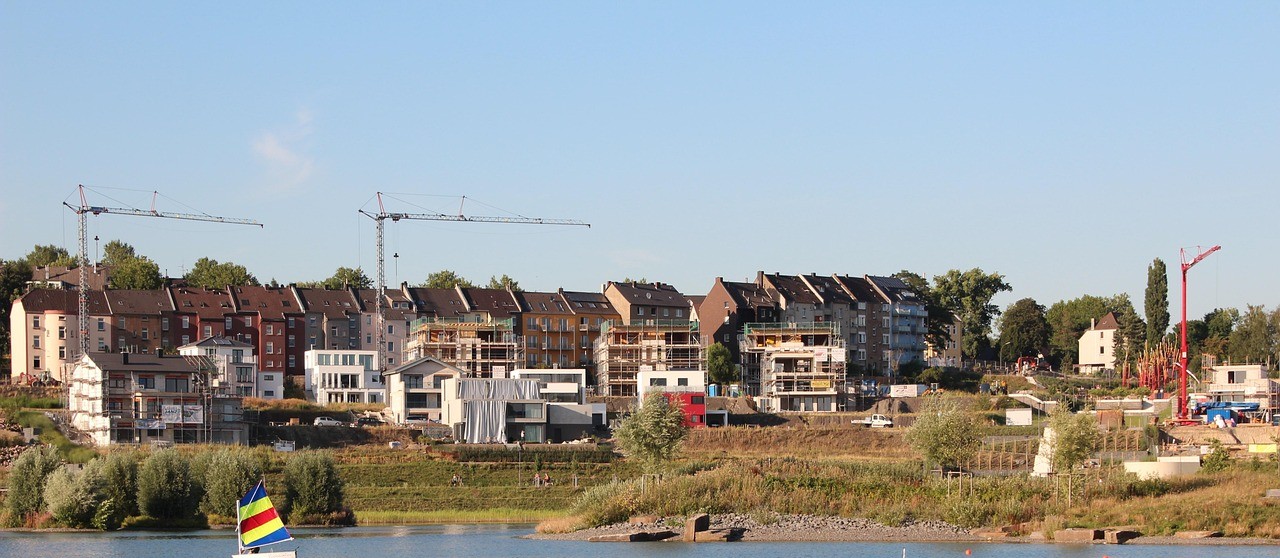

Big changes might be coming to London’s Green Belt — and they could mean thousands of new homes. But what exactly is the Green Belt, and why does it matter?
Before we dive into the Mayor’s latest announcement, let’s take a moment to explain what the Green Belt actually is.
Green Belt land refers to protected areas around cities, originally set aside to prevent urban sprawl and keep communities surrounded by open space. In theory, it’s land that should remain undeveloped — but in practice, not all Green Belt is countryside, nor is it always of high environmental value. If you’d like a clearer picture of how Green Belt land works (and how to work with it), we’ve broken it down in our full guide here: What is Green Belt and How to Work With It.
Now, back to the news.
London Mayor Sadiq Khan has revealed a significant change in stance, signalling that select areas of Green Belt land may be considered for development as part of efforts to address London’s growing housing crisis.
Speaking in Greenwich on 9 May, Khan said that while brownfield-first policies have their place, they’re not enough to meet demand. London needs 88,000 new homes each year for the next decade — a number that hasn’t been achieved in recent years. And the consequences are visible: young Londoners priced out of renting, families stuck in overcrowded or unfit homes, and more people facing homelessness.
Khan described some of London’s Green Belt as “low-quality, poorly maintained, and rarely used,” arguing that certain carefully selected areas — especially those near public transport — could be redeveloped to deliver “hundreds of thousands” of new homes, including affordable and social housing.
This wouldn’t mean a free-for-all on protected land. Any changes would come with clear conditions: energy-efficient, high-quality housing; increased biodiversity; and better access to green space for the public.
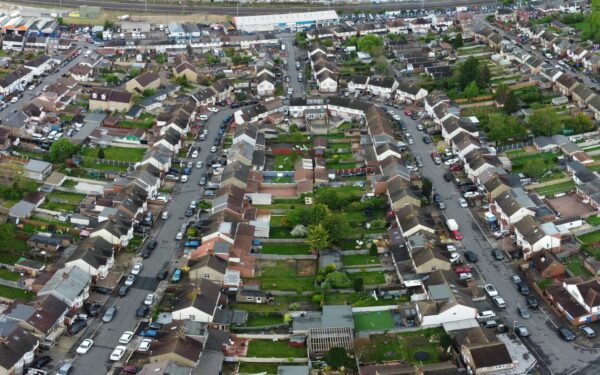
Infrastructure is a key part of the plan, with the mayor highlighting the need for transport investment to support more dense development. City Hall is set to work with the government on major upgrades, including extensions to the Bakerloo line and Docklands Light Railway.
Acknowledging that the topic is a sensitive one, Khan urged environmental groups, developers, and local councils to collaborate. “We have to be honest with Londoners,” he said. “We’ll keep pushing for as many homes as possible on brownfield land — but that alone won’t solve this. That’s why we’re now prepared to explore releasing parts of the Green Belt.”
His announcement received support from both national and local figures. Deputy Prime Minister Angela Rayner called the move “bold” and necessary, while local leaders and MPs backed the mayor’s call to build homes Londoners can actually afford.
Planning professionals also see potential. Philip Allin, Director at Boyer (London), noted that underused Green Belt sites in accessible locations — particularly in outer boroughs — could finally come forward. But, as he pointed out, making the case and bringing local authorities along won’t be easy.
The consultation on the next London Plan — which will guide the city’s growth over the next 20-25 years — is open now until 22 June. The updated plan is expected to be adopted in 2028.
If you’ve been sitting on land in or near the Green Belt, or just wondering whether you’ve got any development potential — this could be your moment.
So, what does this mean for you?
At Homz, we specialise in turning complicated planning situations into real-life approvals. Especially when it comes to the Green Belt. It’s a tricky space to navigate, but that’s exactly where we shine.
Whether you’re just testing the waters or seriously thinking of moving forward, we’d love to help you figure out what’s possible.
Contact us here and let’s see what we can unlock together.
References:
1.) https://www.theplanner.co.uk/2025/05/12/khan-explore-releasing-green-belt-land-deliver-housing